24-hour helpline: 01924-783877 · WhatsAppMirpur-1, Dhaka · rehabilitationbd@gmail.com
Free, confidential first consultation · Doctor-led care in Mirpur-1 · See how treatment works
☰ Menu
Mental health

Home › Treatment › Mental health & dual diagnosis

Mental Health Support for Addiction (Dual Diagnosis)

Many people who use drugs or alcohol also live with depression, anxiety, trauma or psychosis. Treating only one leaves the other to pull the person back. Our consultant psychiatrist assesses and treats mental health alongside addiction.

নেশার সাথে বিষণ্নতা, উদ্বেগ বা মানসিক রোগ থাকলে দুটোরই একসাথে চিকিৎসা দরকার।

DNC licence 04/2020-2021 · Doctor and psychiatrist on the team · Confidential admission

✉ Free consultation☎ Call our helpline💬 WhatsApp

Emergency? Call 999 or go to the nearest hospital.
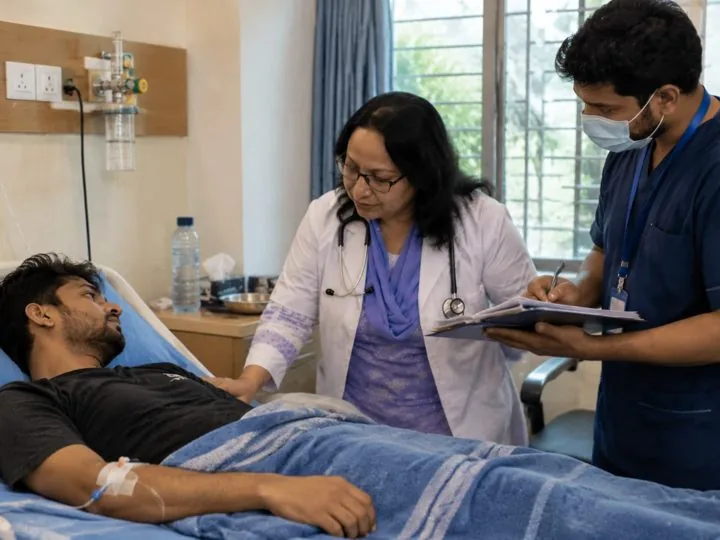
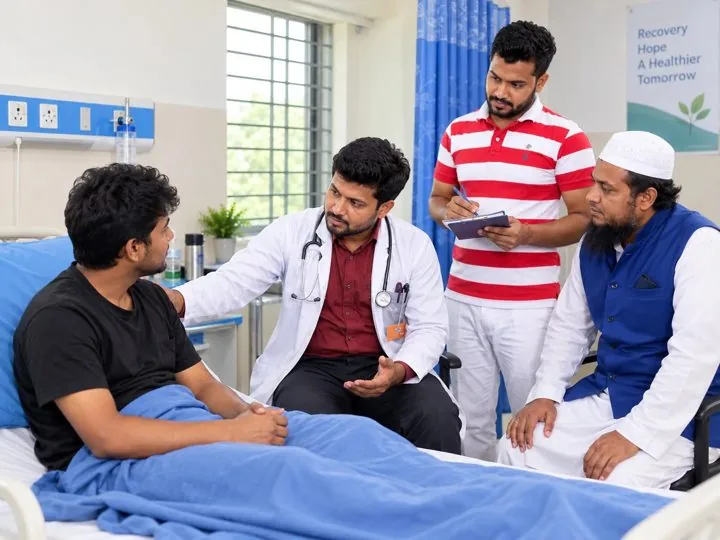
Mental health support: Psychiatric assessment at Rehabilitation BD
Mirpur-1, DhakaHouse 33, Block-F, Road 4, Mirpur-1
In short

Mental health support for addiction in Dhaka: psychiatric care for depression, anxiety and drug-induced psychosis in Mirpur-1.

  • Doctor-led care
  • DNC licensed centre
  • Confidential
  • Family involved
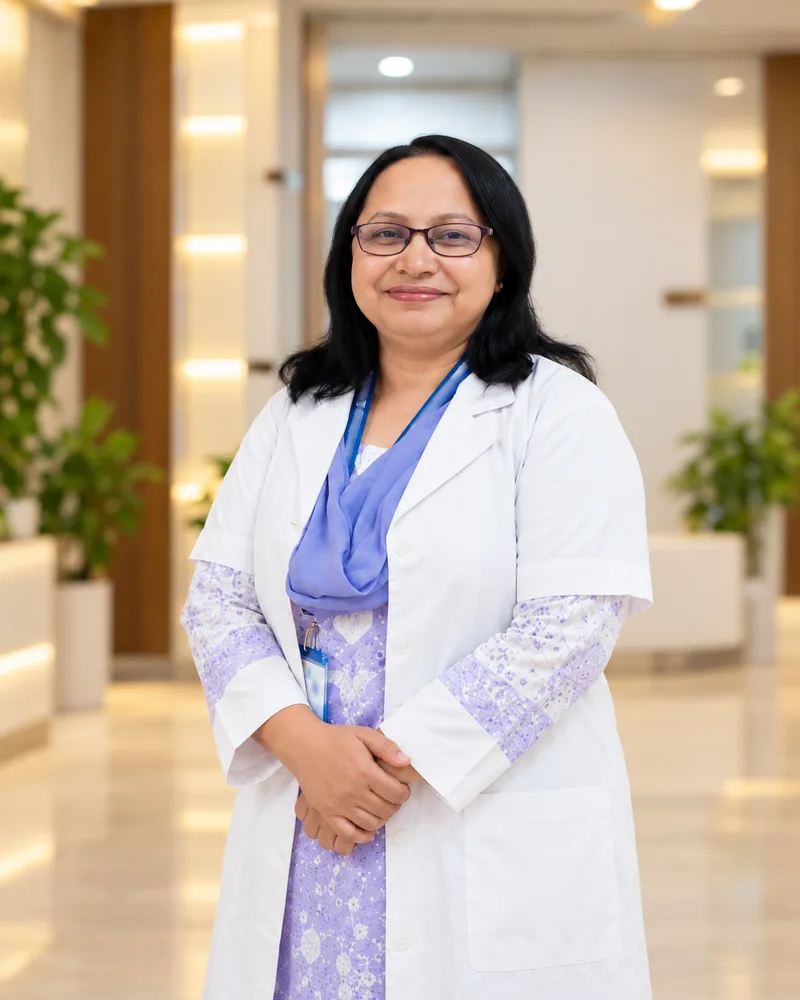
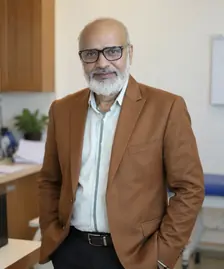
Dr. Shahana Parveen, Consultant psychiatrist
Medically reviewedDr. Shahana ParveenConsultant psychiatrist · BMDC A-29773Last reviewed

Licensed by the Department of Narcotics Control · General information, not a diagnosis; no treatment result is guaranteed.

20+Years caring in Mirpur
20Residential beds
24/7Helpline & ward cover
10Care team members
DNC licenceNo. 04/2020-2021 · 20 beds
Since 2004Operating since 2004
Doctor & psychiatristBMDC-registered
24-hour helplineFree first call
ConfidentialShared only with your family
Dual diagnosis

Conditions we screen for

Depression

Low mood, loss of interest, sleep and appetite changes.

Anxiety

Constant worry, panic, using to calm down.

Drug-induced psychosis

Paranoia or hallucinations after yaba, ice or ganja.

Bipolar disorder

Periods of very high and very low mood.

Trauma

Past experiences that drive use.

Suicidal thoughts

Always taken seriously and acted on immediately.

Our approach

How integrated care works

1
Screening on admission

The doctor checks for mental health conditions.

2
Psychiatric assessment

Dr. Shahana Parveen reviews the patient when needed.

3
One combined plan

Medicines, therapy and routine planned together.

4
Follow-up

Mental health reviewed again before discharge.

In detail

Mental health conditions we assess

Addiction rarely comes alone. Our psychiatrist assesses every patient for mental health problems that may need treatment alongside recovery.

Depression

Low mood, loss of interest, hopelessness.

Anxiety and panic

Constant worry, restlessness, panic attacks.

Drug-induced psychosis

Paranoia, hearing voices or strange beliefs, especially after yaba or ice.

Sleep disorders

Insomnia and disturbed sleep during withdrawal.

Personality and trauma

Long-term patterns and past trauma that affect recovery.

In detail

How mental health care fits into rehab

Mental health care is part of the daily programme, not a separate service.

Assessment at admission

In the first days of admission, with a review plan.

Medication review

Started, adjusted or reduced by the doctor.

Counselling

Individual sessions focused on mood, trauma and coping.

Family guidance

Helping families understand the condition.

Discharge plan

Follow-up with the psychiatrist after leaving.

Learn about depression and anxiety treatment.

Dual diagnosis

Why addiction and mental illness so often come together

Doctors use the term dual diagnosis when a person has a substance use problem and a mental health condition at the same time. The link works both ways. Some people start using to calm anxiety, lift depression, sleep, or forget trauma. Others develop depression, panic or psychosis after months of yaba, ice, ganja or alcohol. Very often it is impossible to say which came first until the person has been drug-free for some weeks.

What matters is this: if only the addiction is treated, untreated depression or anxiety pulls the person back to drugs. If only the mental illness is treated, ongoing drug use undoes the progress. Both need care at the same time, by people who talk to each other.

Common patterns

Substances and the mental health problems linked to them

SubstanceMental health problems often seen
Yaba / iceParanoia, psychosis, aggression, severe low mood after stopping
GanjaAnxiety, low motivation, psychosis in some young people
AlcoholDepression, anxiety, memory problems, suicidal thoughts
Heroin, PhensedylDepression, anxiety, trauma history
Sleeping pillsAnxiety and insomnia that return or worsen when pills stop
Conditions

Conditions we assess, explained simply

Depression

Low mood most days, loss of interest, poor sleep or sleeping too much, guilt and hopelessness. Very common in the weeks after stopping yaba, ice or alcohol. Often improves with therapy and routine; some people need medicine.

Anxiety and panic

Constant worry, racing heart, panic attacks and using drugs or pills to calm down. CBT teaches practical ways to manage anxiety without substances.

Drug-induced psychosis

Suspicion, hearing voices or fixed false beliefs after stimulant or heavy cannabis use. Needs psychiatric assessment; most people improve once the drug stops.

Bipolar disorder

Periods of very high energy and little sleep alternating with depression. Drug use can hide or trigger it, and it needs specialist treatment.

Trauma

Past abuse, violence or loss can drive drug use. Counselling helps the person talk about it safely at their own pace.

Attention problems

Some young people with long-standing attention or impulse problems are more vulnerable to addiction. The psychiatrist can assess this once the person is drug-free.

Myths

Common myths about psychiatric medicine

MythFact
“Psychiatric medicine is addictive.”Most medicines for depression or psychosis are not addictive. The psychiatrist chooses carefully and explains any risk.
“Seeing a psychiatrist means he is mad.”A psychiatrist is a doctor for the mind, just as a cardiologist is for the heart.
“Once started, medicine is for life.”Many people take medicine for months, not years, with regular review.
“Medicine alone will fix it.”Medicine works best together with therapy, routine and family support.
Suicide risk

What families should know about suicide risk

People in addiction, and especially in the weeks after stopping stimulants or alcohol, are at higher risk of suicidal thoughts. Asking directly, “Are you thinking of ending your life?”, does not put the idea in someone’s head; it opens the door to help. If the answer is yes, stay with the person, remove dangerous items and seek urgent help by calling 999 or going to a hospital. On admission, every patient is screened for suicide risk and watched closely in the first weeks.

Our process

How mental health care works at Rehabilitation BD

  1. Screening on admission for mood, anxiety, sleep, psychosis and suicide risk.
  2. Psychiatric assessment by consultant psychiatrist Dr. Shahana Parveen (BMDC A-29773) when screening or the history suggests it.
  3. Watchful waiting where right: some symptoms settle within weeks of stopping drugs; the psychiatrist decides whether to treat at once or observe.
  4. Medicine when needed, prescribed and monitored, with the reasons explained to patient and family.
  5. Therapy: CBT and counselling for negative thinking, worry, trauma and anger.
  6. Review before discharge and a follow-up plan with the psychiatrist.
Warning signs

Signs that need urgent attention

Do not wait for a rehab appointment if a person talks about wanting to die, has made a plan, hears voices telling them to harm themselves or others, carries a weapon because they believe they are in danger, or has not slept for several days and is very agitated. Call 999 or go to the nearest hospital emergency department.

Less urgent but important signs include weeks of low mood or crying, loss of interest, panic attacks, constant suspicion, talking to oneself, and big changes in sleep or appetite. Mention all of these on the first call.

For families

How families can support mental health in recovery

  • Take mood changes seriously; do not dismiss them as ‘just drug talk’.
  • Avoid arguing with paranoid beliefs; stay calm and keep everyone safe.
  • Ask the team to explain any medicine and its side effects.
  • Watch for warning signs after discharge, especially in the first three months.
  • Look after your own mental health; family counselling is there for you too.
Talk it through before you decide. Call or WhatsApp 01924-783877, 24 hours. The first call is free and confidential, and there is no pressure to admit.
Telling them apart

Is it the drug or a mental illness? How we decide

Many symptoms in the first weeks, such as paranoia after yaba, low mood after stopping alcohol, or anxiety during opioid withdrawal, are caused by the drug or the withdrawal and fade as the brain recovers. Treating every one of them as a lifelong illness would be a mistake. Ignoring them would also be a mistake.

So the psychiatrist uses a combination of a detailed history (did symptoms exist before drug use, or during long drug-free periods?), family history, observation over the first weeks drug-free, and, when needed, short-term medicine for safety. The diagnosis is reviewed as the picture becomes clearer, and the family is kept informed.

Follow-up after discharge

Patients who need ongoing psychiatric care leave with a written plan: which medicine, how long, warning signs and when to return for review. Stopping psychiatric medicine suddenly without advice is a common cause of relapse.

More answers

More questions about mental health care

Will my son need medicine for life?

Not necessarily. Many drug-related symptoms settle once drugs stop. The psychiatrist will review regularly and explain how long any medicine is likely to be needed.

Do you treat patients who have schizophrenia or bipolar disorder and also use drugs?

Call to discuss. The psychiatrist will advise whether our residential setting is safe and suitable, or whether a psychiatric hospital is needed first.

Is there an extra charge for the psychiatrist?

Doctor-led care is included in the package. If an outside specialist or test is needed, the cost is explained first.

Our team

Our care team

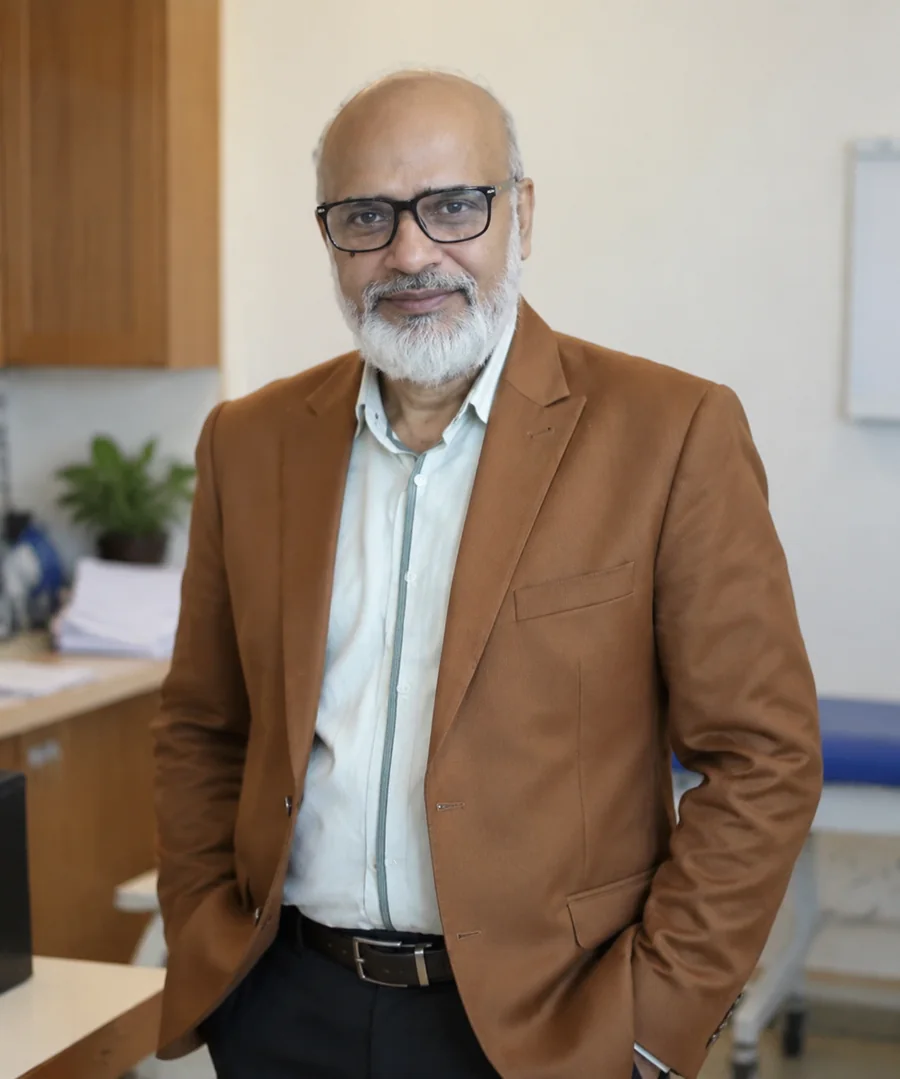
Dr. Mufassir Ahmed, Rehabilitation BD

Addiction medicine physician · MBBS (Mymensingh Medical College) · BMDC A-26981

Dr. Shahana Parveen, Rehabilitation BD

Consultant psychiatrist · BMDC A-29773

Md. Sariful, Rehabilitation BD
Md. Sariful

Clinical psychologist · therapy and family programme
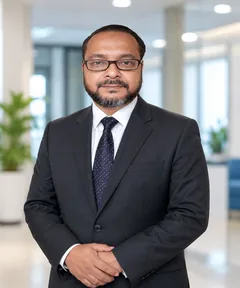
Rousso, Rehabilitation BD
Rousso

Addiction counsellor · groups and NA 12-step
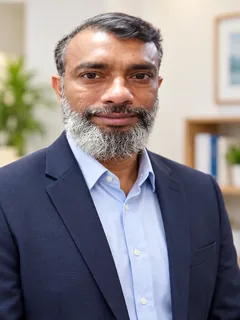
Sohel Ahmed, Rehabilitation BD
Sohel Ahmed

Addiction counsellor · individual sessions
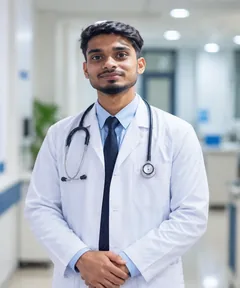
Bishal Roy, Rehabilitation BD
Bishal Roy

Medical assistant · 24-hour detox monitoring
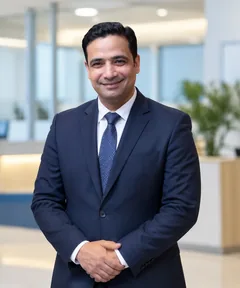
Rahman Rased, Rehabilitation BD
Rahman Rased

Centre manager · admissions and families
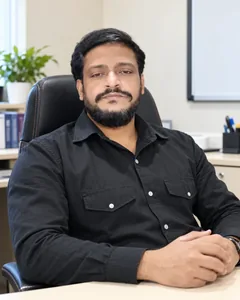
Wasim, Rehabilitation BD
Wasim

Ward in-charge · daily routine and safety

Meet the full team

FAQ

Mental health support: questions families ask

Our centre focuses on addiction. Call us and we will advise the right service.

Often it improves after stopping, but some people need longer psychiatric care. A psychiatrist must assess it.

Dr. Shahana Parveen, consultant psychiatrist, BMDC A-29773.

Not ready to call? Leave your number.

Three fields only. A counsellor will phone you at a time that suits you. Nothing is shared outside the team.

বাংলায় সংক্ষেপে

মাদকাসক্তি ও মানসিক স্বাস্থ্য একসাথে চিকিৎসা

অনেকের মাদকাসক্তির সাথে বিষণ্নতা, দুশ্চিন্তা বা সাইকোসিসের মতো সমস্যাও থাকে। একটির চিকিৎসা না করলে অন্যটি ফিরে আসে। আমাদের মনোরোগ বিশেষজ্ঞ আর ডাক্তার একসাথে দুটোরই চিকিৎসা পরিকল্পনা করেন।

মাদকদ্রব্য নিয়ন্ত্রণ অধিদপ্তরের লাইসেন্স নং ০৪/২০২০-২০২১, ঢাকার মিরপুর-১। প্রথম পরামর্শ বিনামূল্যে। ২৪ ঘণ্টা হেল্পলাইন: ০১৯২৪-৭৮৩৮৭৭।

Yes, addiction is a treatable disorder.

Quoted from a public health source. Treatment and results differ for each person.

Dr. Mufassir Ahmed, Doctor at Rehabilitation BD
About the author

Dr. Mufassir Ahmed

Doctor, Rehabilitation BD (M.D.A.T.C) · MBBS (Mymensingh Medical College) · BMDC A-26981

Dr. Mufassir Ahmed is a doctor on the care team at Rehabilitation BD, Mirpur-1, Dhaka. He wrote and medically reviewed this page. See his full profile.

How we keep this page accurate

General information, not medical advice or a promise of results. Each figure names its source, and we review the page when sources or our programme change. Last updated .

What patients and families say

Public Google reviews of Rehabilitation BD, shown exactly as written. They are general and not about any one treatment; individual experiences and outcomes vary.

  • Fariha Tasin1 review

    This is the best rehub center in dhaka

    Posted on Google

  • Nur A Alam3 reviews · 2 photos

    Best treatment center for drug addiction problem, Justice for health, Health for Justice

    Posted on Google

  • Serajus Salekin1 review

    It's one of the best rehab centre in dhaka,, recommended

    Posted on Google

  • Mahbub Russell5 reviews · 2 photos

    This is one of the best rehab centre in Dhaka, Bangladesh. I got the best treatment and counseling about the harmful effects of addiction.

    Posted on Google

  • Shaurov Mahmud1 review

    I'm from MD.Pur and one of my friend was admitted here for 4 months.The treatment method was excellent and he is making progress day by day.

    Posted on Google

  • Juthy Shorkar1 review

    Best rehab center in dhaka because i have seen many regab center but this center really organized.

    Posted on Google

  • Iftekhar Alam Shovon1 review

    I have been healthy for 2 years now after receiving treatment from here.best rehab center in dhaka.

    Posted on Google

  • Ashamoni Moni1 review

    It's a very effective rehabilitation center in Dhaka,mirpur. I've recommend many drug addicted person and now a days they are passing healthy and meaningful life.they have passing a good time with their nearest and dearest.

    Posted on Google

  • Mr. Sohag1 review

    I knew this center It's a very well and good environmental place.best rehab center in dhaka

    Posted on Google

  • Niru Shohel1 review

    This is best addiction treatment center in Bangladesh I ever seen.

    Posted on Google

  • Saiful Islam1 review

    I visited This place 💬 Really appreciate. This place helps many People to come back in normal life. Best Rehabilitation centre in Mirpur. Keep up the good Work. ...

    Posted on Google

  • Md Mahfuz Islam2 reviews

    Hi i am mahfuz islam. I recommend this rehab center for addiction treatment. Best rehab center in dhaka.

    Posted on Google

  • Shakil Ahmed1 review

    I am very much satisfied in this rehab centre because one of my patient now totaly drugs free after he complete four month treatment in this rehab centre

    Posted on Google

  • Md Nazrul1 review

    I visited this rehab center. This is one of the best rehab center in dhaka.

    Posted on Google

  • Md aman Ullah

    প্রতিষ্ঠানটি আমি পরিদর্শন করেছিলাম ওনাদের পরিবেশ ও কার্যাক্রম আমার কাছে খুবি ভালো লেগেছে.

    Posted on Google

  • Babul Hossen

    Ami akhan theke treatment nia Valo achi. Khub Valo rehab center.

    Posted on Google

Inside the centre

A calm, clean place to recover

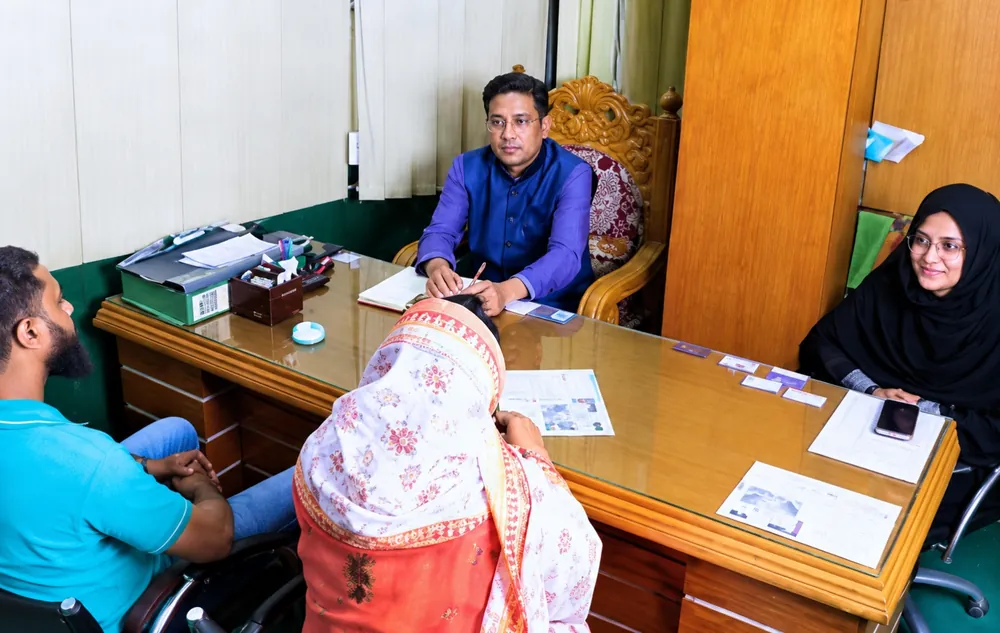
Admission and counselling desk at Rehabilitation BD, Mirpur
Admission and counselling desk
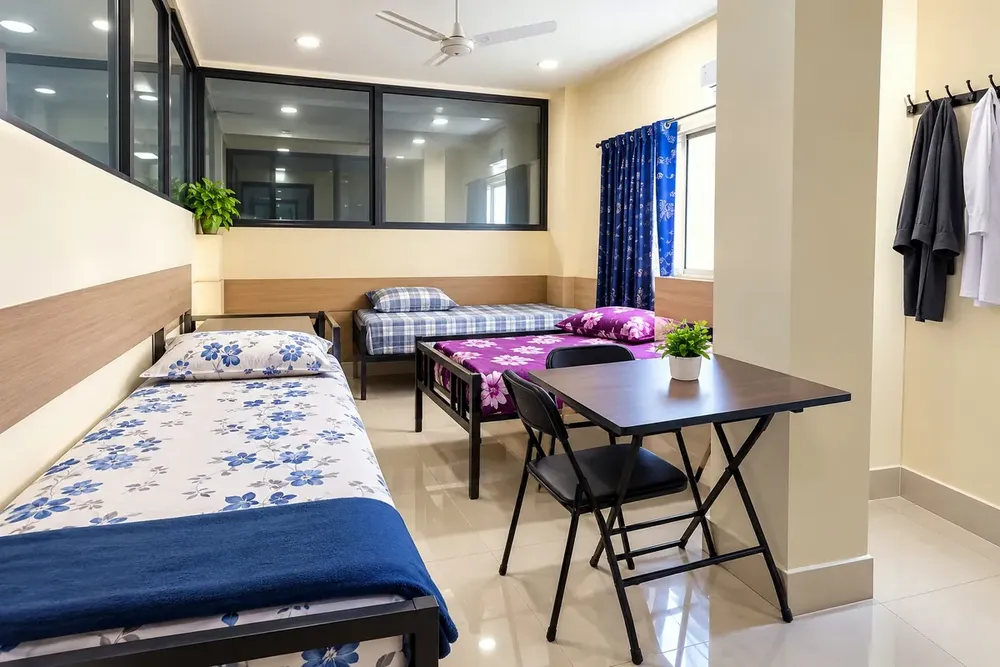
Clean, supervised dormitory at Rehabilitation BD, Mirpur
Clean, supervised dormitory
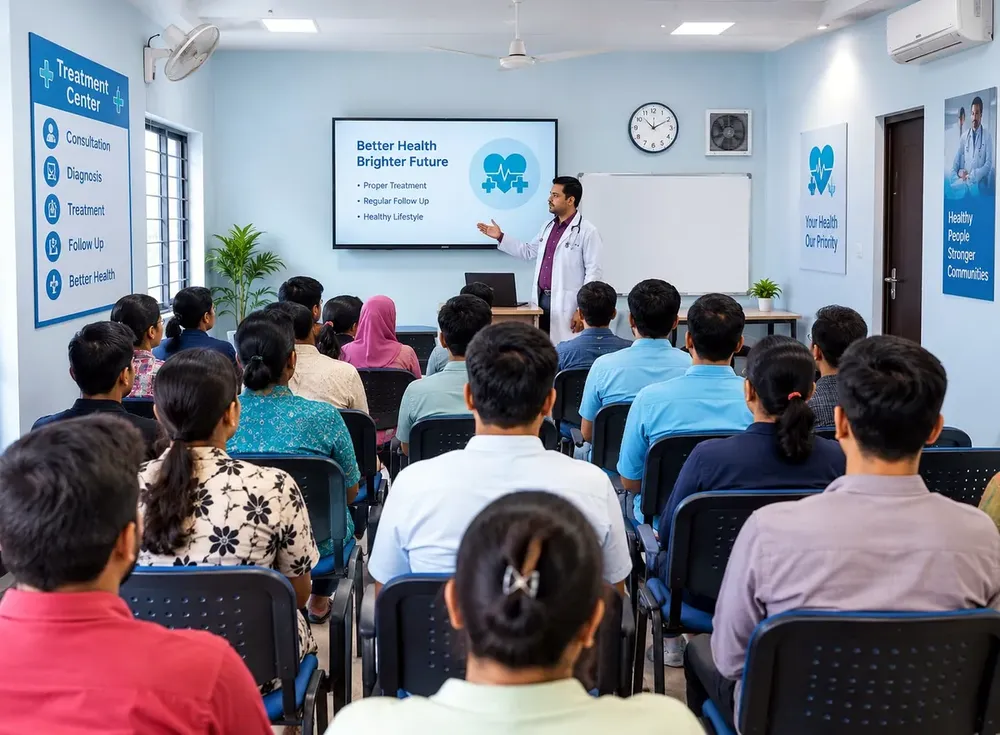
Psychoeducation classes at Rehabilitation BD, Mirpur
Psychoeducation classes
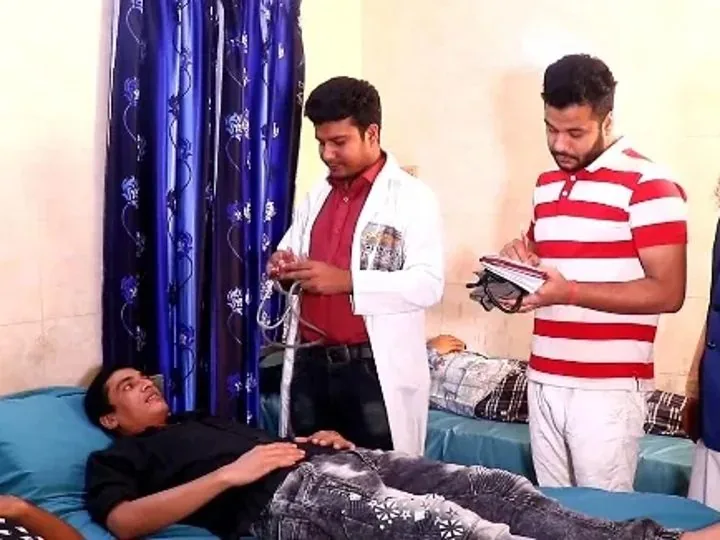
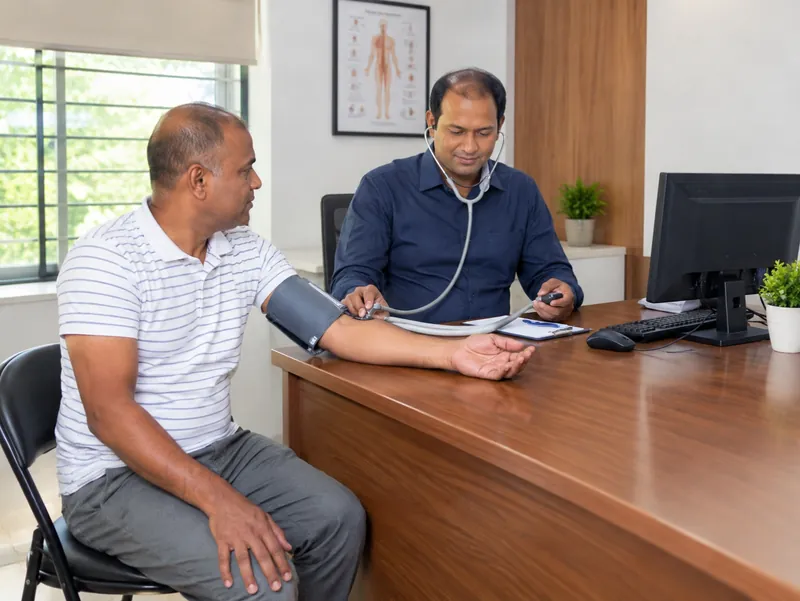
Daily health checks at Rehabilitation BD, Mirpur
Daily health checks
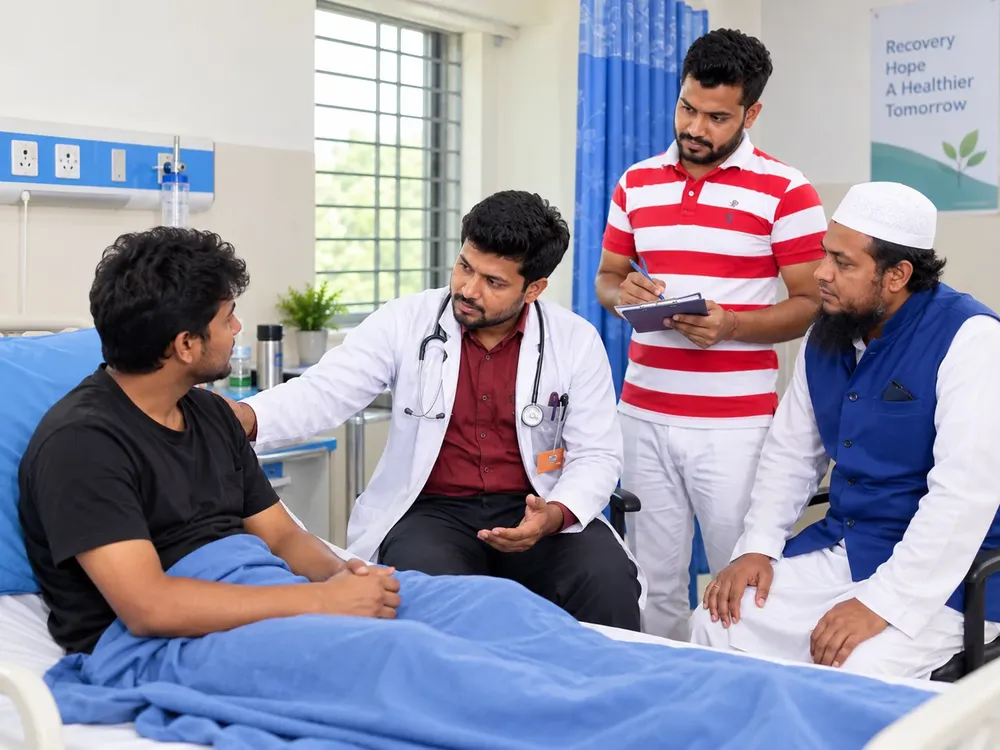
Doctor assessment at Rehabilitation BD, Mirpur
Doctor assessment
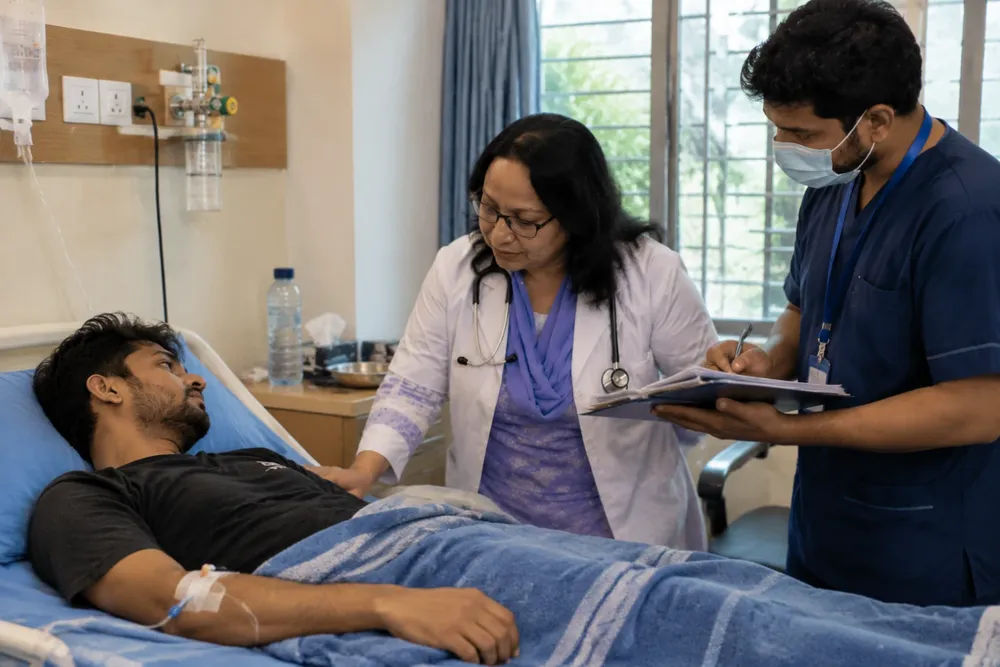
24-hour ward care at Rehabilitation BD, Mirpur
24-hour ward care
Get started

Getting help is simple

Three steps from the first call to the first day of recovery. Most families call us at night or early morning: the line is open 24 hours.

1

Call or WhatsApp

Talk to a counsellor in confidence. The first call is free and there is no pressure to decide.

Call 01924-783877 →
2

Free assessment

The doctor checks health, substance use and mental health, then explains the plan and the package that fits.

How admission works →
3

Start recovery

Doctor-supervised detox, then counselling, routine and family sessions in a safe, structured residential programme.

See the programme →
We are here 24 hours

Talk to us about mental health and addiction

Speak with our team. The first call is free, private and without pressure to decide.

💬 WhatsApp
Scroll to Top