24-hour helpline: 01924-783877 · WhatsAppMirpur-1, Dhaka · rehabilitationbd@gmail.com
Free, confidential first consultation · Doctor-led care in Mirpur-1 · See how treatment works
☰ Menu
Family counselling

Home › Counselling & therapy › Family counselling

Family Counselling for Addiction

Addiction affects the whole family. Our family counselling helps parents, spouses and siblings understand the illness, set healthy boundaries and prepare the home for the person’s return.

নেশা পুরো পরিবারকে প্রভাবিত করে — তাই পরিবারের জন্যও কাউন্সেলিং দরকার।

DNC licence 04/2020-2021 · Doctor and psychiatrist on the team · Confidential admission

✉ Free consultation☎ Call our helpline💬 WhatsApp

Emergency? Call 999 or go to the nearest hospital.
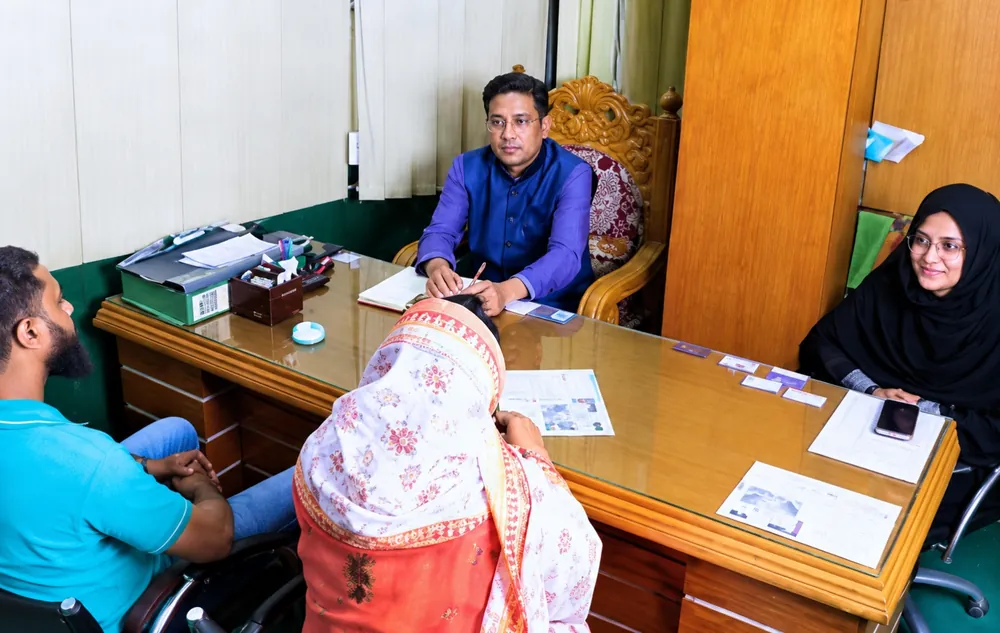
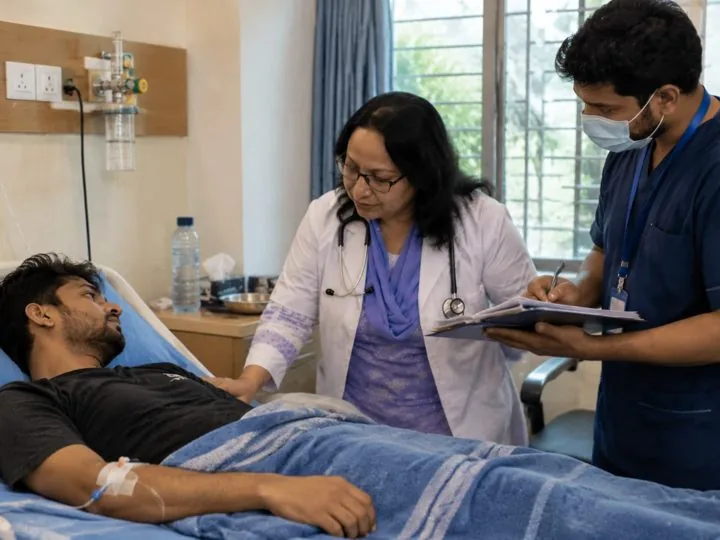
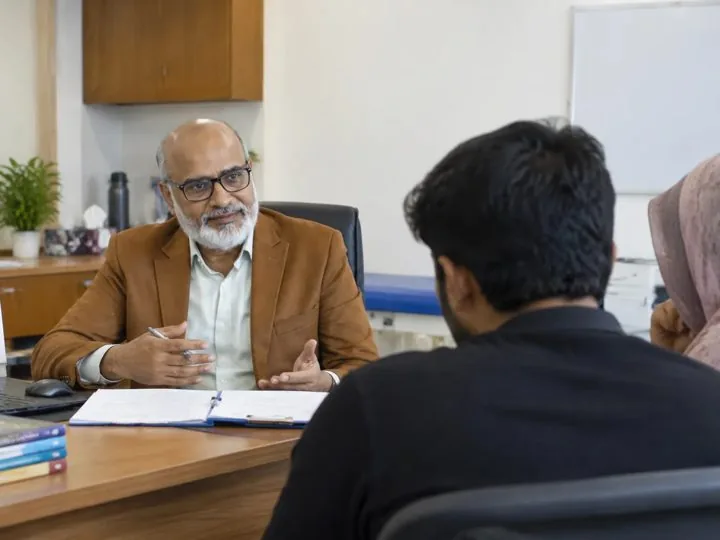
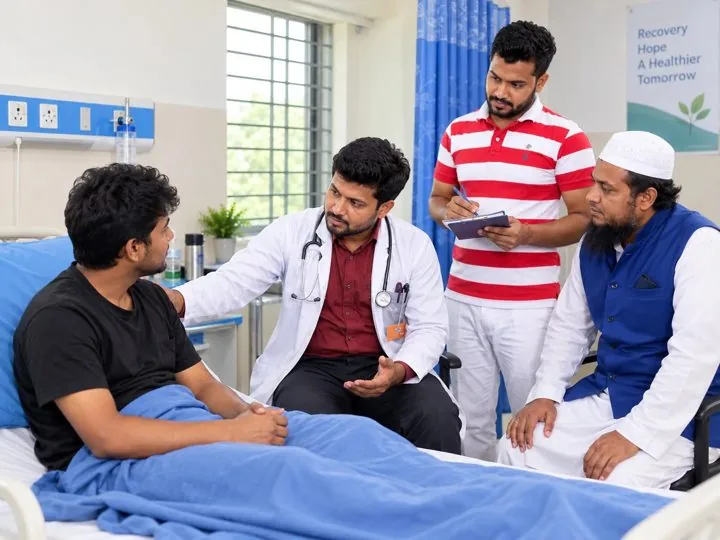
Family counselling for addiction: Family meeting area at Rehabilitation BD
Mirpur-1, DhakaHouse 33, Block-F, Road 4, Mirpur-1
In short

Family counselling for addiction in Dhaka: stop enabling, set boundaries, the day-30 family meeting, talking to children and rebuilding trust.

  • Doctor-led care
  • DNC licensed centre
  • Confidential
  • Family involved
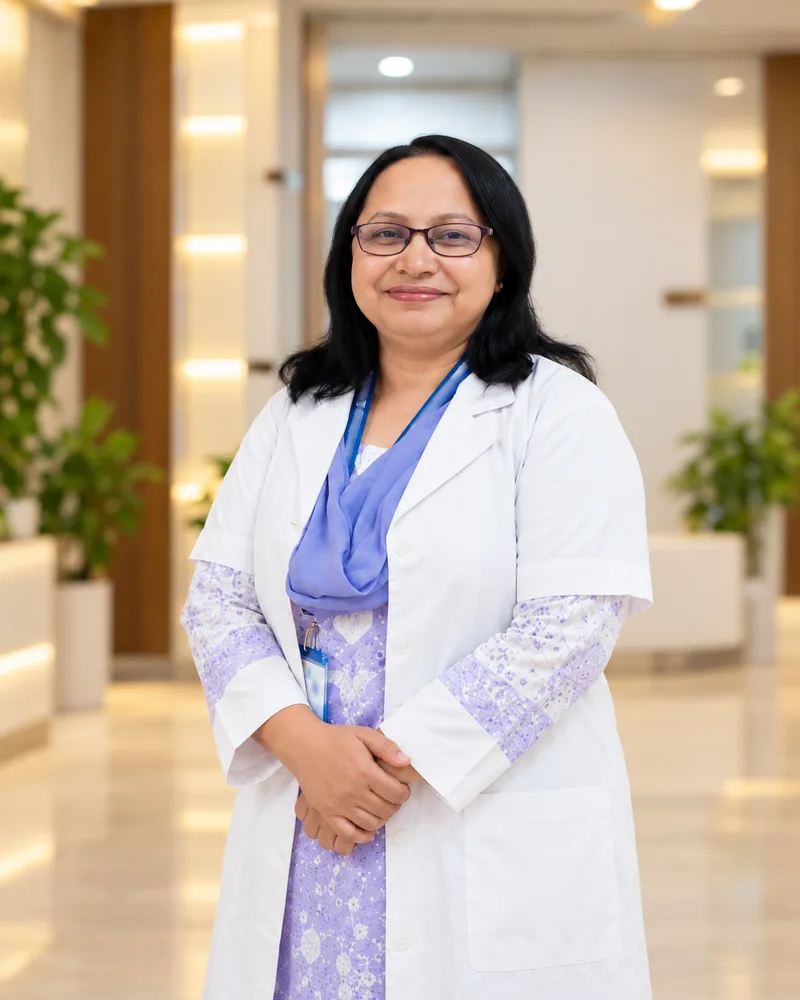
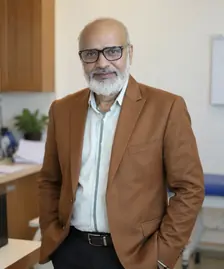
Dr. Shahana Parveen, Consultant psychiatrist
Medically reviewedDr. Shahana ParveenConsultant psychiatrist · BMDC A-29773Last reviewed

Licensed by the Department of Narcotics Control · General information, not a diagnosis; no treatment result is guaranteed.

20+Years caring in Mirpur
20Residential beds
24/7Helpline & ward cover
10Care team members
DNC licenceNo. 04/2020-2021 · 20 beds
Since 2004Operating since 2004
Doctor & psychiatristBMDC-registered
24-hour helplineFree first call
ConfidentialShared only with your family
Your role

How your family takes part

1
First call

We listen to the family’s worries and explain the options.

2
During detox

A daily phone update; direct contact is limited for the patient’s safety.

3
Day 30 meeting

The family meets the counsellor and patient to review progress.

4
Family sessions

Communication, trust, money and house rules.

5
Before discharge

A shared relapse-prevention plan for home.

Topics

What families learn

Addiction is an illness

Anger and shame make recovery harder; understanding helps.

Stop enabling

How to stop giving money or covering up without abandoning the person.

Spot early warning signs

Changes in sleep, friends, money and mood after discharge.

Look after yourself

Parents and spouses need support too.

In detail

How addiction affects the whole family

Living with addiction is exhausting. Parents, spouses and children often feel fear, anger, shame and guilt. Families may hide the problem, pay debts, make excuses or try to control the person’s every move. These responses come from love, but they can keep the addiction going.

Stress and conflict

Constant arguments, broken promises and worry about money and safety.

Enabling

Giving cash, paying debts or covering up without meaning to.

Children

Children may feel scared or blame themselves and need age-appropriate explanation.

Burnout

Caregivers often neglect their own health and sleep.

In detail

What families learn in sessions

Family counselling gives practical tools, not blame.

Understanding addiction

Why it happens and what recovery really looks like.

Healthy boundaries

How to be loving and firm, and stop enabling.

Communication

How to talk calmly and listen without arguments.

Relapse warning signs

What to watch for after discharge and what to do.

Self-care

Looking after your own health while supporting your loved one.

Families can start sessions even before the person agrees to treatment.

The family effect

What addiction does to a family

Addiction is often called a family illness, not because the family caused it, but because everyone in the house is affected. Parents lose sleep and savings. Spouses carry the household alone and hide the problem from relatives. Children become anxious or withdrawn. Brothers and sisters feel neglected or angry. Over time the whole family organises itself around one person’s drug use.

Family counselling helps everyone step out of that pattern, so the home supports recovery instead of accidentally feeding the addiction.

Patterns

Common family patterns, and healthier alternatives

PatternWhy it happensHealthier alternative
Paying debts and giving cashFear of harm or shamePay bills directly; no unaccounted cash
Hiding the problem from othersStigma and family honourTell one or two trusted people; seek professional help
Shouting, threats, beatingExhaustion and angerCalm, specific conversations and firm boundaries
Constant checking and searchingFear of relapseAgreed rules and honest check-ins
Giving up on yourselfAll energy goes to the patientYour own rest, support and counselling
Enabling vs supporting

Enabling or supporting? A quick check

Enabling (keeps addiction going)Supporting (helps recovery)
Giving cash on requestPaying bills or fees directly
Making excuses to employers or relativesLetting natural consequences happen, while staying kind
Ignoring missing money or itemsNaming what happened calmly and agreeing rules
Threats you will not carry outFew, clear boundaries you will keep
Waiting for ‘rock bottom’Getting professional advice early
Trust

Rebuilding trust after treatment: a realistic timeline

Trust returns slowly, through actions repeated over months. In the first month at home, focus on routine and keeping small promises. By three months, many families relax some rules, for example around money or going out, as agreed in the family plan. By six months to a year, relationships are often stronger than before treatment. Setbacks can happen; a slip is a signal to talk to the team, not proof that nothing has changed.

Self-care

Looking after yourself as a parent or spouse

  • Sleep, eat and keep at least one activity that is just for you.
  • Share the load with one or two trusted relatives.
  • Learn about addiction so you stop blaming yourself.
  • Use family counselling for your own feelings, not only to help the patient.
  • Seek medical help if you have persistent low mood, anxiety or poor sleep.

A calmer, healthier family is one of the strongest protections against relapse.

The programme

How our family programme works

  1. Before admission: a counsellor helps the family plan a calm conversation and understand options. This can start even if the person refuses treatment.
  2. During detox: daily phone updates; families learn what withdrawal involves.
  3. Day-30 meeting: the family meets the counsellor and patient to review progress honestly.
  4. Family sessions: communication, trust, money, phone use and house rules.
  5. Couple sessions when a marriage has been damaged.
  6. Before discharge: a written family agreement and relapse-prevention plan.
  7. After discharge: follow-up and advice if warning signs appear.
Words that help

What to say, and what to avoid

Instead ofTry
“You have ruined this family.”“I am worried about your health and I want to help.”
“You are a drug addict.”“Last week you did not come home for two nights and money was missing.”
“If you do this again I will throw you out” (not meant)A boundary you will keep: “We will not give cash any more.”
“Everyone knows what you are.”“This stays in the family; we will get help privately.”
Children

Talking to children about a parent’s addiction

  • Use simple, honest words suited to their age: “Abbu is sick and is getting treatment.”
  • Tell them it is not their fault and they cannot fix it.
  • Keep routines such as school, meals and bedtime as normal as possible.
  • Let them ask questions; it is fine to say “I don’t know”.
  • Watch for signs of stress: poor sleep, fear, school problems. Ask the counsellor for advice.
Talk it through before you decide. Call or WhatsApp 01924-783877, 24 hours. The first call is free and confidential, and there is no pressure to admit.
Day-30 meeting

What happens at the day-30 family meeting

About a month after admission, the family meets the counsellor and the patient together. The counsellor summarises progress, the patient speaks about what they have learned, and family members share their concerns calmly. The meeting agrees on the next steps: visits, family sessions, and topics to work on before discharge. Many families say this is the first honest conversation they have had in years.

A family agreement covers

  • Money: how much, for what, and who handles it
  • Phone and social media for the first months
  • Curfew and going out
  • Friends and places to avoid
  • Work or study plan
  • Follow-up appointments and NA meetings
  • What happens if rules are broken, and what happens if a slip occurs

Signs the family needs support too

Constant worry, poor sleep, arguments between parents, children struggling at school, or feeling hopeless are signs that the family itself needs care. Ask the counsellor for a session just for you.

More answers

More questions about family counselling

Does family counselling cost extra?

Family sessions are part of the residential programme. Ask the admission desk about sessions before admission.

We live abroad. Can we take part?

Yes, by WhatsApp or phone, with a relative in Bangladesh as the local contact.

What if there has been violence at home?

Safety comes first. Tell the counsellor privately. Separate sessions can be arranged, and in an emergency call 999.

Our team

Our care team

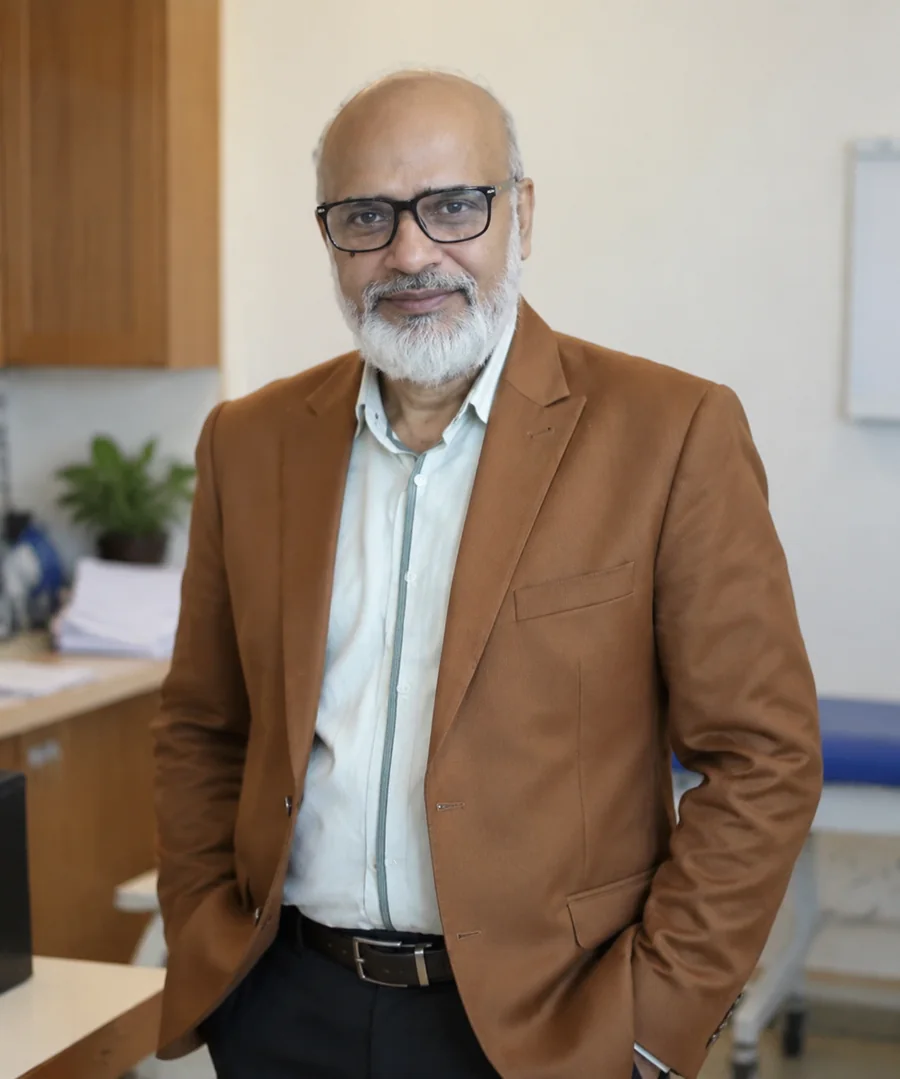
Dr. Mufassir Ahmed, Rehabilitation BD

Addiction medicine physician · MBBS (Mymensingh Medical College) · BMDC A-26981

Dr. Shahana Parveen, Rehabilitation BD

Consultant psychiatrist · BMDC A-29773

Md. Sariful, Rehabilitation BD
Md. Sariful

Clinical psychologist · therapy and family programme
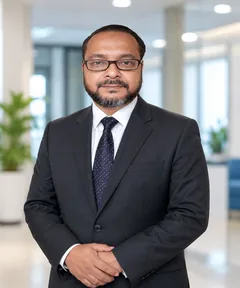
Rousso, Rehabilitation BD
Rousso

Addiction counsellor · groups and NA 12-step
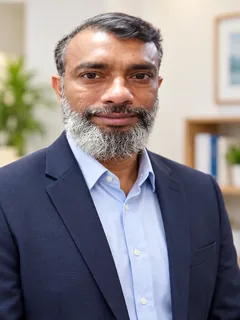
Sohel Ahmed, Rehabilitation BD
Sohel Ahmed

Addiction counsellor · individual sessions

Bishal Roy, Rehabilitation BD
Bishal Roy

Medical assistant · 24-hour detox monitoring
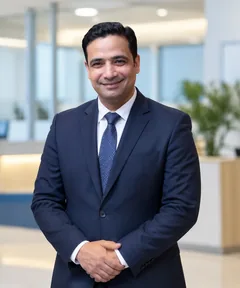
Rahman Rased, Rehabilitation BD
Rahman Rased

Centre manager · admissions and families
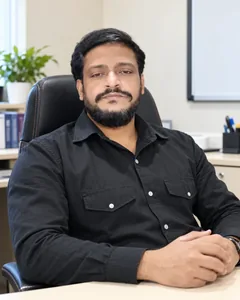
Wasim, Rehabilitation BD
Wasim

Ward in-charge · daily routine and safety

Meet the full team

FAQ

Family counselling for addiction: questions families ask

Once the patient is stable after detox. The centre manager will tell you the visiting days.

Call us before you talk to them. A counsellor will help you plan a calm conversation.

Yes. Family sessions are for parents and spouses as much as for the patient.

Not ready to call? Leave your number.

Three fields only. A counsellor will phone you at a time that suits you. Nothing is shared outside the team.

বাংলায় সংক্ষেপে

পরিবারের কাউন্সেলিং

মাদকাসক্তি পুরো পরিবারকে প্রভাবিত করে। পরিবারের সেশনে বাবা-মা, স্বামী-স্ত্রী বা ভাইবোন শেখেন কীভাবে কথা বলবেন, কোন আচরণ আসক্তিকে টিকিয়ে রাখে, আর ছুটির পর কীভাবে সহায়তা করবেন। প্রথম ৩০ দিন পর পারিবারিক মিটিং হয়।

মাদকদ্রব্য নিয়ন্ত্রণ অধিদপ্তরের লাইসেন্স নং ০৪/২০২০-২০২১, ঢাকার মিরপুর-১। প্রথম পরামর্শ বিনামূল্যে। ২৪ ঘণ্টা হেল্পলাইন: ০১৯২৪-৭৮৩৮৭৭।

Addiction is a disease, not a character flaw.

Quoted from a public health source. Treatment and results differ for each person.

Dr. Mufassir Ahmed, Doctor at Rehabilitation BD
About the author

Dr. Mufassir Ahmed

Doctor, Rehabilitation BD (M.D.A.T.C) · MBBS (Mymensingh Medical College) · BMDC A-26981

Dr. Mufassir Ahmed is a doctor on the care team at Rehabilitation BD, Mirpur-1, Dhaka. He wrote and medically reviewed this page. See his full profile.

How we keep this page accurate

General information, not medical advice or a promise of results. Each figure names its source, and we review the page when sources or our programme change. Last updated .

What patients and families say

Public Google reviews of Rehabilitation BD, shown exactly as written. They are general and not about any one treatment; individual experiences and outcomes vary.

  • Fariha Tasin1 review

    This is the best rehub center in dhaka

    Posted on Google

  • Nur A Alam3 reviews · 2 photos

    Best treatment center for drug addiction problem, Justice for health, Health for Justice

    Posted on Google

  • Serajus Salekin1 review

    It's one of the best rehab centre in dhaka,, recommended

    Posted on Google

  • Mahbub Russell5 reviews · 2 photos

    This is one of the best rehab centre in Dhaka, Bangladesh. I got the best treatment and counseling about the harmful effects of addiction.

    Posted on Google

  • Shaurov Mahmud1 review

    I'm from MD.Pur and one of my friend was admitted here for 4 months.The treatment method was excellent and he is making progress day by day.

    Posted on Google

  • Juthy Shorkar1 review

    Best rehab center in dhaka because i have seen many regab center but this center really organized.

    Posted on Google

  • Iftekhar Alam Shovon1 review

    I have been healthy for 2 years now after receiving treatment from here.best rehab center in dhaka.

    Posted on Google

  • Ashamoni Moni1 review

    It's a very effective rehabilitation center in Dhaka,mirpur. I've recommend many drug addicted person and now a days they are passing healthy and meaningful life.they have passing a good time with their nearest and dearest.

    Posted on Google

  • Mr. Sohag1 review

    I knew this center It's a very well and good environmental place.best rehab center in dhaka

    Posted on Google

  • Niru Shohel1 review

    This is best addiction treatment center in Bangladesh I ever seen.

    Posted on Google

  • Saiful Islam1 review

    I visited This place 💬 Really appreciate. This place helps many People to come back in normal life. Best Rehabilitation centre in Mirpur. Keep up the good Work. ...

    Posted on Google

  • Md Mahfuz Islam2 reviews

    Hi i am mahfuz islam. I recommend this rehab center for addiction treatment. Best rehab center in dhaka.

    Posted on Google

  • Shakil Ahmed1 review

    I am very much satisfied in this rehab centre because one of my patient now totaly drugs free after he complete four month treatment in this rehab centre

    Posted on Google

  • Md Nazrul1 review

    I visited this rehab center. This is one of the best rehab center in dhaka.

    Posted on Google

  • Md aman Ullah

    প্রতিষ্ঠানটি আমি পরিদর্শন করেছিলাম ওনাদের পরিবেশ ও কার্যাক্রম আমার কাছে খুবি ভালো লেগেছে.

    Posted on Google

  • Babul Hossen

    Ami akhan theke treatment nia Valo achi. Khub Valo rehab center.

    Posted on Google

Inside the centre

A calm, clean place to recover

Admission and counselling desk at Rehabilitation BD, Mirpur
Admission and counselling desk
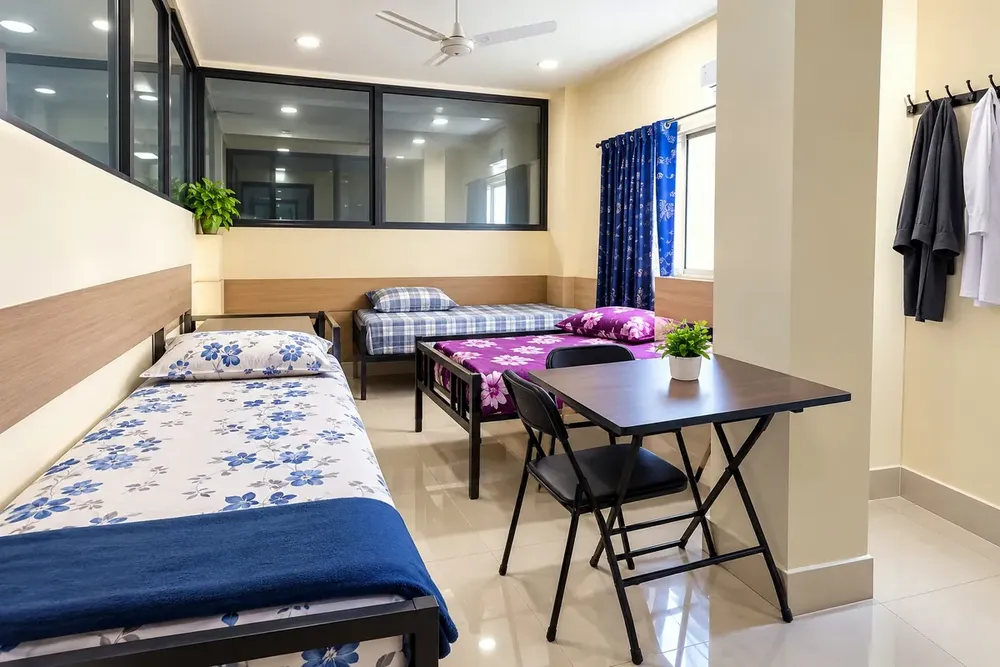
Clean, supervised dormitory at Rehabilitation BD, Mirpur
Clean, supervised dormitory
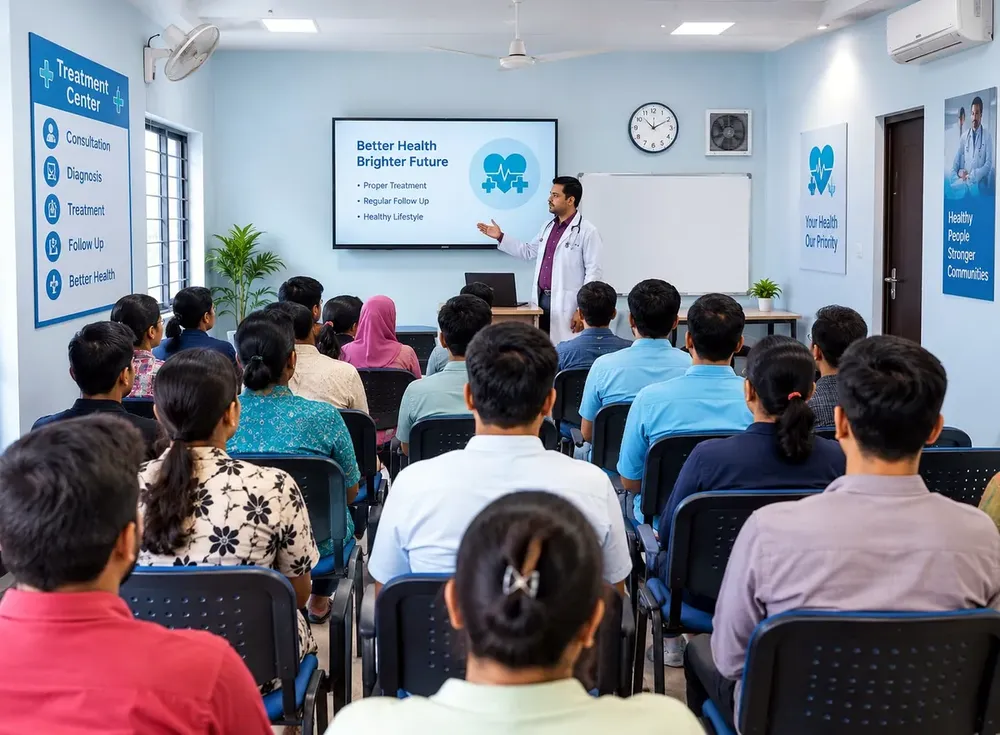
Psychoeducation classes at Rehabilitation BD, Mirpur
Psychoeducation classes
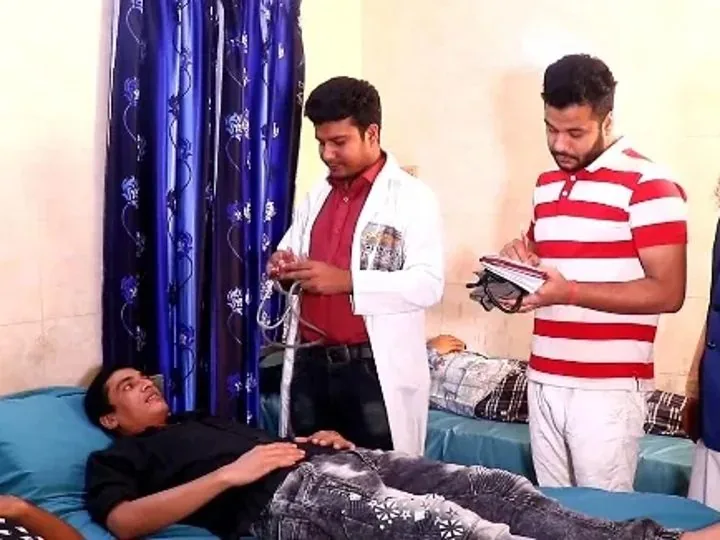
Daily health checks at Rehabilitation BD, Mirpur
Daily health checks
Doctor assessment at Rehabilitation BD, Mirpur
Doctor assessment
24-hour ward care at Rehabilitation BD, Mirpur
24-hour ward care
Get started

Getting help is simple

Three steps from the first call to the first day of recovery. Most families call us at night or early morning: the line is open 24 hours.

1

Call or WhatsApp

Talk to a counsellor in confidence. The first call is free and there is no pressure to decide.

Call 01924-783877 →
2

Free assessment

The doctor checks health, substance use and mental health, then explains the plan and the package that fits.

How admission works →
3

Start recovery

Doctor-supervised detox, then counselling, routine and family sessions in a safe, structured residential programme.

See the programme →
We are here 24 hours

Talk to a family counsellor

Speak with our team. The first call is free, private and without pressure to decide.

💬 WhatsApp
Scroll to Top