
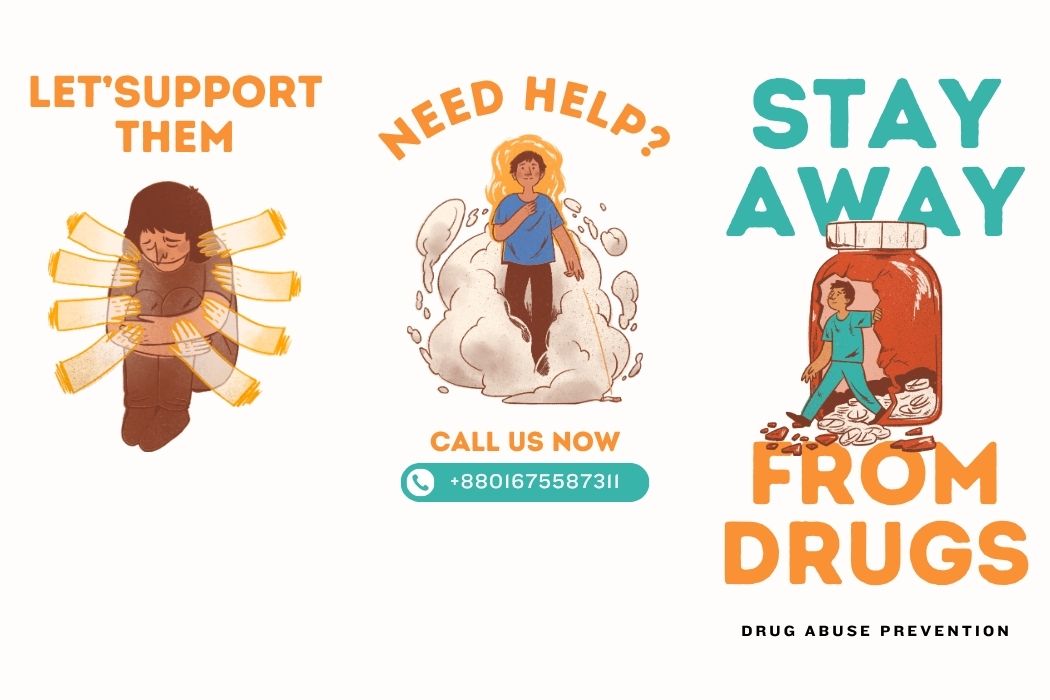
Drug addiction silently destroys lives—physically, mentally, and socially. What often starts as curiosity or stress relief can soon lead to severe health complications that affect every organ in the body.
In Bangladesh, the growing drug abuse problem is not just a social issue—it’s a public health emergency. Many individuals struggling with addiction experience chronic diseases, organ damage, and premature aging without realizing the connection between drugs and their physical decline.
This article explores the real, science-backed physical problems caused by drug addiction—and how timely intervention can save lives.
2. What Is Drug Addiction?
Drug addiction, or substance use disorder (SUD), is a chronic disease characterized by compulsive drug seeking and use, despite harmful consequences. Over time, drugs change the brain’s chemistry, making it extremely difficult to quit without medical or psychological help.
Common substances that cause addiction include:
- Heroin
- Cocaine
- Methamphetamine
- Marijuana
- Prescription painkillers and sedatives
- Alcohol
3. How Drugs Affect the Human Body
Every drug interacts differently with the body, but most affect the central nervous system, altering how the brain perceives pleasure, pain, and motivation.
These substances flood the brain with dopamine, a “feel-good” chemical. Over time, the body becomes dependent on these artificial highs, leading to serious physical damage.
4. Common Physical Problems Caused by Drug Addiction
a. Damage to the Brain and Nervous System
- Long-term drug use changes brain structure and function.
- Addicts often suffer from memory loss, poor concentration, mood swings, and coordination problems.
- Some drugs, like meth and cocaine, cause nerve cell death, leading to permanent brain damage.
- Seizures, tremors, and cognitive decline are also common.
b. Heart and Circulatory Issues
Drug addiction puts immense strain on the cardiovascular system.
- Cocaine, meth, and ecstasy can cause irregular heartbeats, high blood pressure, and heart attacks.
- Injecting drugs can lead to collapsed veins, infections, and bacterial endocarditis (infection of the heart lining).
- Even seemingly mild drugs can thicken the blood, increasing the risk of stroke or clot formation.
c. Liver and Kidney Damage
The liver is responsible for filtering toxins from the body. When exposed to constant drug use:
- It becomes inflamed and scarred (hepatitis and cirrhosis).
- Alcohol and opioids are particularly damaging, leading to liver failure.
- The kidneys, too, suffer from dehydration and chemical overload, resulting in renal failure or chronic kidney disease.
d. Lung and Respiratory Problems
- Smoking or inhaling drugs (like heroin, crack, or marijuana) damages the lungs’ air sacs.
- Users often experience chronic cough, bronchitis, pneumonia, and even lung cancer.
- Overdose or mixing drugs can slow breathing to dangerous levels, leading to oxygen deprivation or respiratory arrest.
e. Digestive and Nutritional Issues
Drug addiction severely affects digestion and appetite.
- Addicts may experience nausea, vomiting, stomach pain, diarrhea, and malnutrition.
- Drugs suppress hunger, leading to weight loss, weak immunity, and vitamin deficiencies.
- Chronic alcohol and opioid use can cause ulcers, pancreatitis, and gastrointestinal bleeding.
f. Skin and Dental Damage
Visible physical signs of addiction include:
- Sores, scabs, and infections from scratching or injection marks.
- Tooth decay and gum disease (“meth mouth”).
- Poor hygiene and immune suppression cause skin infections and fungal issues.
g. Hormonal and Reproductive Health Effects
Drug abuse disrupts hormone balance, causing:
- Infertility, irregular periods, or erectile dysfunction.
- Lower testosterone or estrogen levels.
- In pregnant women, drug use can lead to miscarriage, premature birth, or babies born with withdrawal symptoms (neonatal abstinence syndrome).
5. Long-Term Health Consequences
The physical effects of drug addiction accumulate over time:
- Weakened immune system
- Chronic pain
- Organ failure
- Premature aging
- Increased risk of infectious diseases (HIV, hepatitis, tuberculosis)
If left untreated, addiction can reduce life expectancy by 10–20 years.
6. Statistics: Drug Addiction in Bangladesh
Drug abuse is a growing crisis in Bangladesh:
- Over 7 million people are estimated to be addicted to drugs.
- Around 80% of users are between 15–35 years old.
- Commonly abused drugs include yaba (methamphetamine), phensedyl, heroin, and ganja.
- The physical and social burden of addiction costs the country millions in healthcare and lost productivity each year.
7. Medical and Psychological Treatment Options
Medical Detoxification
The first step in recovery, supervised detox helps remove harmful substances safely from the body.
Rehabilitation Programs
Comprehensive rehab programs (like those offered by Rehabilitation bd ) combine:
- Medical treatment
- Psychological therapy
- Group counseling
- Aftercare and relapse prevention
Medication-Assisted Therapy (MAT)
Used for opioids and alcohol, medications like methadone, buprenorphine, and naltrexone help control cravings.
8. Role of Family and Community Support
Recovery is most successful when families and communities get involved.
- Emotional encouragement builds confidence.
- Community awareness programs reduce stigma.
- Families can help monitor progress, manage stress, and provide a drug-free environment.
9. Prevention and Recovery Tips
Here are some actionable steps to protect yourself and loved ones:
- Educate youth about the dangers of drug use early.
- Avoid peer pressure and environments where drugs are present.
- Seek professional help at the first signs of dependency.
- Maintain a healthy routine—balanced diet, regular exercise, meditation.
- Join community support groups for ongoing motivation.
10. How Rehabilitation bd Helps
At Rehabilitation bd , we believe recovery is possible for everyone.
Our center offers:
- Medical detox and rehabilitation
- Individual and group therapy
- Family counseling
- Holistic healing (mind-body wellness, yoga, meditation)
- Aftercare programs to prevent relapse
We treat each person with dignity, compassion, and evidence-based care, helping them rebuild a healthy and meaningful life.
11. FAQs
1. What are the most common physical signs of drug addiction?
Fatigue, weight loss, poor skin condition, shaking hands, bloodshot eyes, and frequent illness are common signs.
2. Can the body fully recover after drug addiction?
Yes, with proper medical care, nutrition, and therapy, many organs can heal—though some damage (like liver cirrhosis or brain injury) may be permanent.
3. Is drug addiction a disease or a moral failure?
It’s a disease, not a lack of willpower. Addiction changes brain function, requiring medical and psychological treatment.
4. How can families help someone addicted to drugs?
Provide support without judgment, encourage professional help, and join family therapy sessions.
5. Does Rehabilitation bd provide confidential treatment?
Absolutely. All treatment at Rehabilitation bd is 100% confidential and conducted by trained professionals.
12. Conclusion and Call to Action
Drug addiction may start with a single choice—but recovery begins with another. The physical problems it causes are real, painful, and life-threatening—but help is always available.
If you or someone you know is suffering from addiction, don’t wait.
👉 Visit Rehabilitation bd today or call for a confidential consultation.
Together, we can break the cycle and rebuild a healthier, brighter future.